
5 Signs Your Office Layout May Not Be Working as Well as It Could
In most workplaces, layout issues don’t show up as obvious problems—they show up as patterns. Teams gather in hallways for quick conversations. Calls happen wherever there’s available space. Meeting rooms sit empty while collaboration happens elsewhere.

Individually, none of this feels urgent. But over time, these patterns often signal a deeper issue: the workspace isn’t fully aligned with how teams actually work. The result is friction in flow, space utilization, and day-to-day performance.
Here are five signs your office layout may not be working as effectively as it could—and what they typically indicate.
1. Collaboration Is Happening Outside of Designed Spaces
If teams consistently meet in walkways, open desks, or informal corners instead of designated collaboration areas, it usually means those spaces aren’t doing their job.
Employees will always choose the most convenient place to talk. The issue is when those temporary spots become the default—leading to distractions, interruptions, and inconsistent meeting experiences.

2. The Space is Either Too Open or Too Segmented
Many workplaces struggle to strike the right balance. Some environments are too open, creating constant noise and visual distraction. Others are too segmented, limiting visibility and slowing down natural interaction between teams.
When that balance is off, employees adapt their behavior to the space instead of the space supporting how they work.

3. One Layout Doesn’t Fit Different Workstyles
Uniform workstation planning is still common—but work itself is not uniform. Some roles require deep focus. Others depend on collaboration and movement. Most require both at different points in the day.
When the physical environment doesn’t reflect that, employees are forced to create their own workarounds just to get through their day efficiently.
4. Circulation Paths Interrupt Focus Areas
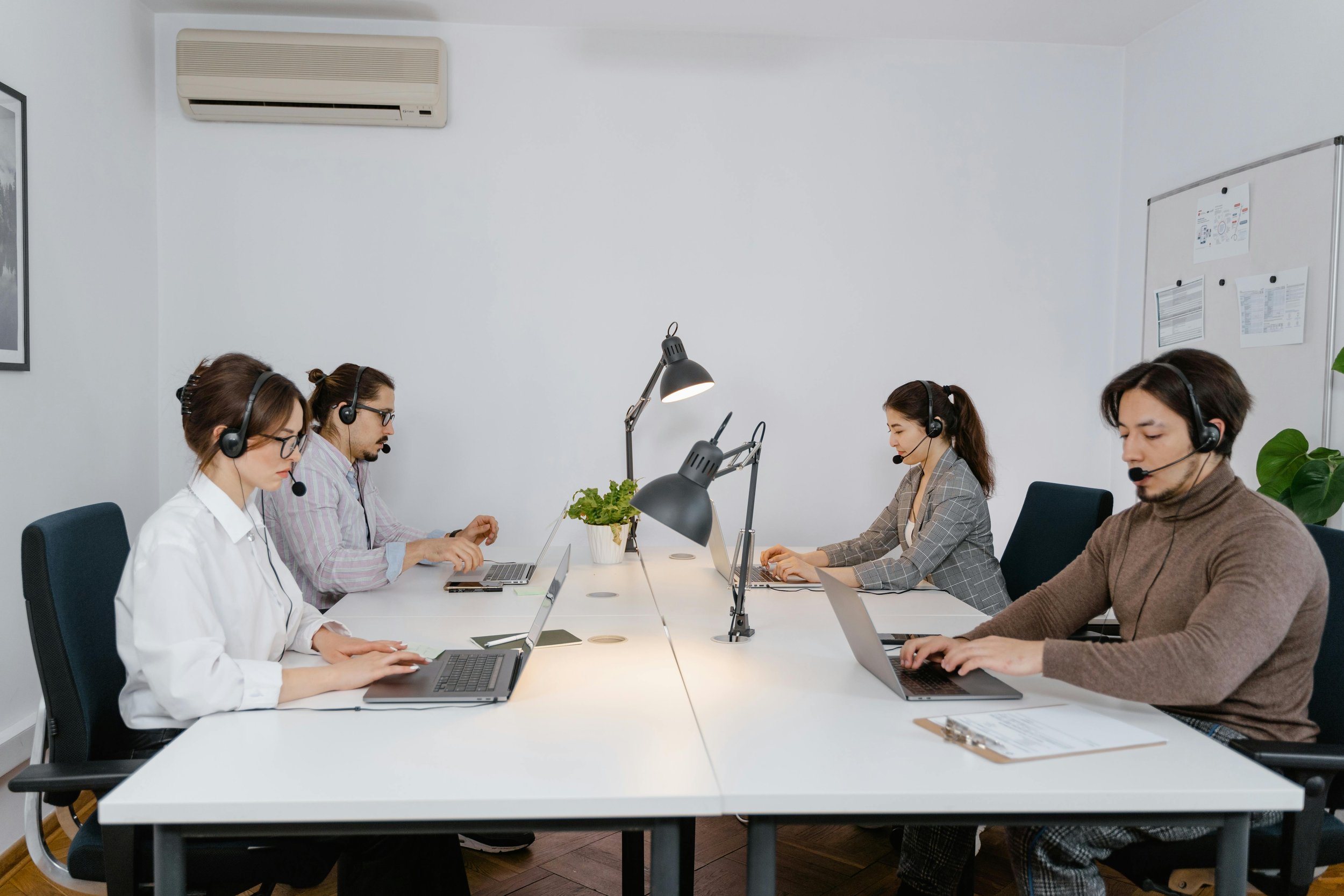
How people move through an office directly affects how well they can focus. If main walkways cut through work desks or areas meant for focused work, interruptions become part of the everyday routine—even if no one really thinks about them anymore.
Over time, these small, repeated distractions can make it harder for employees to concentrate and stay productive.
5. Some Spaces Are Always Empty
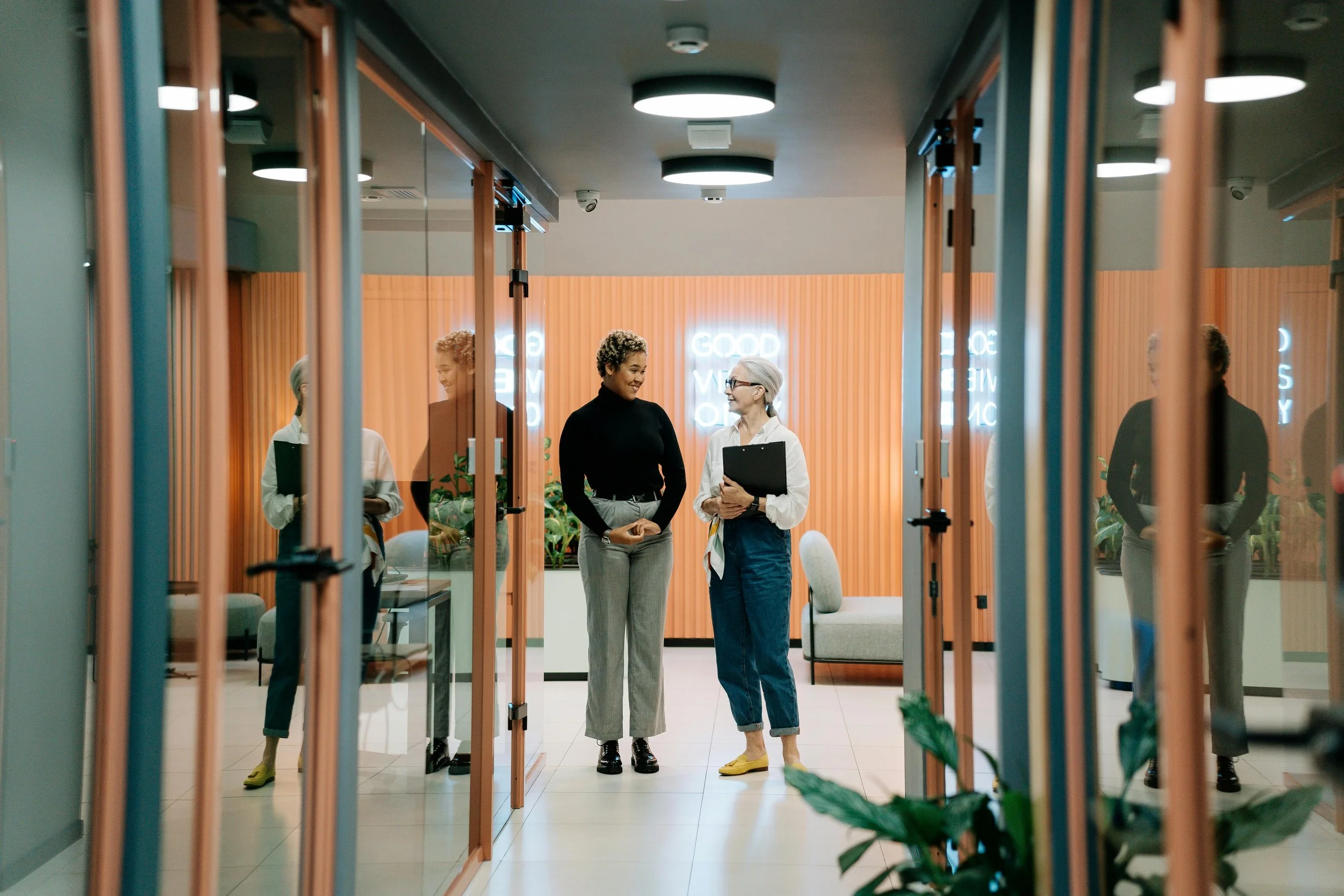
Most offices have them—conference rooms that rarely book out, collaboration areas that feel underused, or lounge areas that look good but don’t get much real activity.
When spaces sit empty, it’s rarely a scheduling problem. It’s usually a signal that the design doesn’t align with how teams actually prefer to work.
Take Action on What Your Office Layout Is Telling You
Office layout directly influences how teams communicate, collaborate, and move through their day. When something is off, it shows up in behavior first—how employees use space, where they avoid, and what they work around.
Recognizing those patterns is the first step. Improving them is where real impact happens.
Through Project Thrive, Rieke Interiors helps organizations take a closer look at how their workplace is functioning today—identifying layout challenges, uncovering areas of friction, and building a clear path toward improvement.
If your office is showing any of these signs, don’t wait for the issues to compound.
Take the next step and evaluate your workplace with Project Thrive today.
