
5 Ways to Help Employees Feel More Productive at Work
Walk through most offices during a typical workday, and everything looks productive.
People are at their desks. Meetings are happening. Conversations are constant. Calendars are full. But there’s a different question worth asking: Does it feel productive to your team? Because those two things don’t always align.

Many organizations see teams that are consistently busy—but still feel like progress is slower than it should be. Work gets touched multiple times. Priorities shift. Focus is hard to maintain. Over time, that gap creates frustration. Employees begin to feel like they’re working hard without making meaningful progress—and that’s where engagement and performance can start to slip.
In most cases, this isn’t a people issue. It’s a workplace issue. Here are five practical ways organizations can help employees feel more productive—without adding more pressure to the day.
1. Protect Time for Focused Work
Work that truly moves the needle requires uninterrupted focus.
But in many workplaces, that kind of focus is difficult to maintain. A typical work session is often interrupted by quick questions, nearby conversations, or constant notifications. Individually, these moments seem minor—but together, they break concentration repeatedly.
As a result, tasks take longer than they should. Employees restart their thinking multiple times throughout the day, which slows progress and increases frustration.
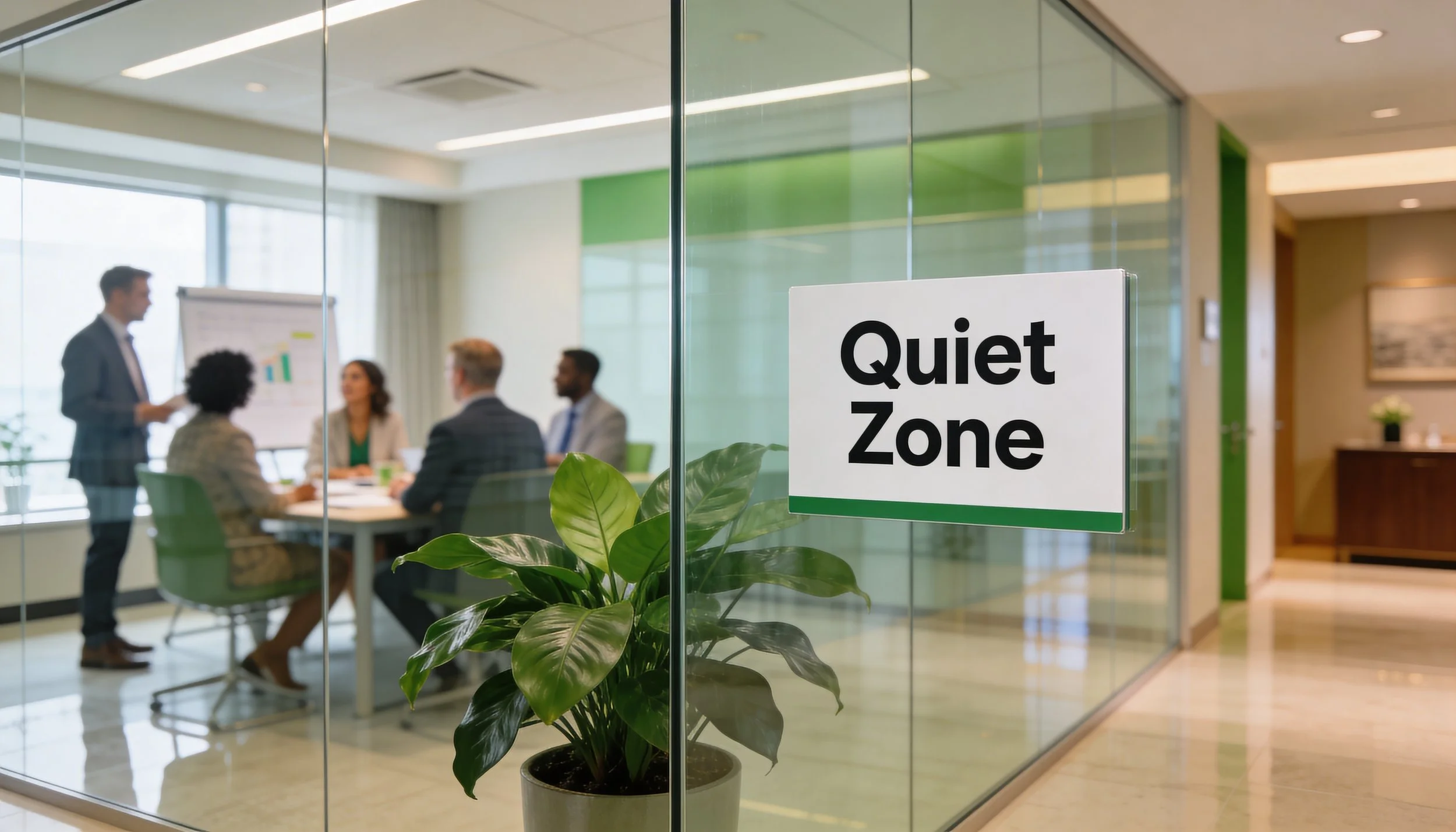
Creating space for focused work doesn’t require a major overhaul. Simple steps—like establishing designated focus time or providing quiet areas—can help employees stay engaged long enough to complete meaningful tasks.
2. Align the Workplace with How Work Actually Happens
Most organizations don’t operate in a one-size-fits-all way—yet many workplaces are designed that way.
A quick observation of the office often reveals the disconnect. Employees take private calls at their desks. Small groups collaborate in open areas not designed for discussion. Others attempt to focus in high-traffic zones.
These are signs that the space isn’t fully supporting the work being done.
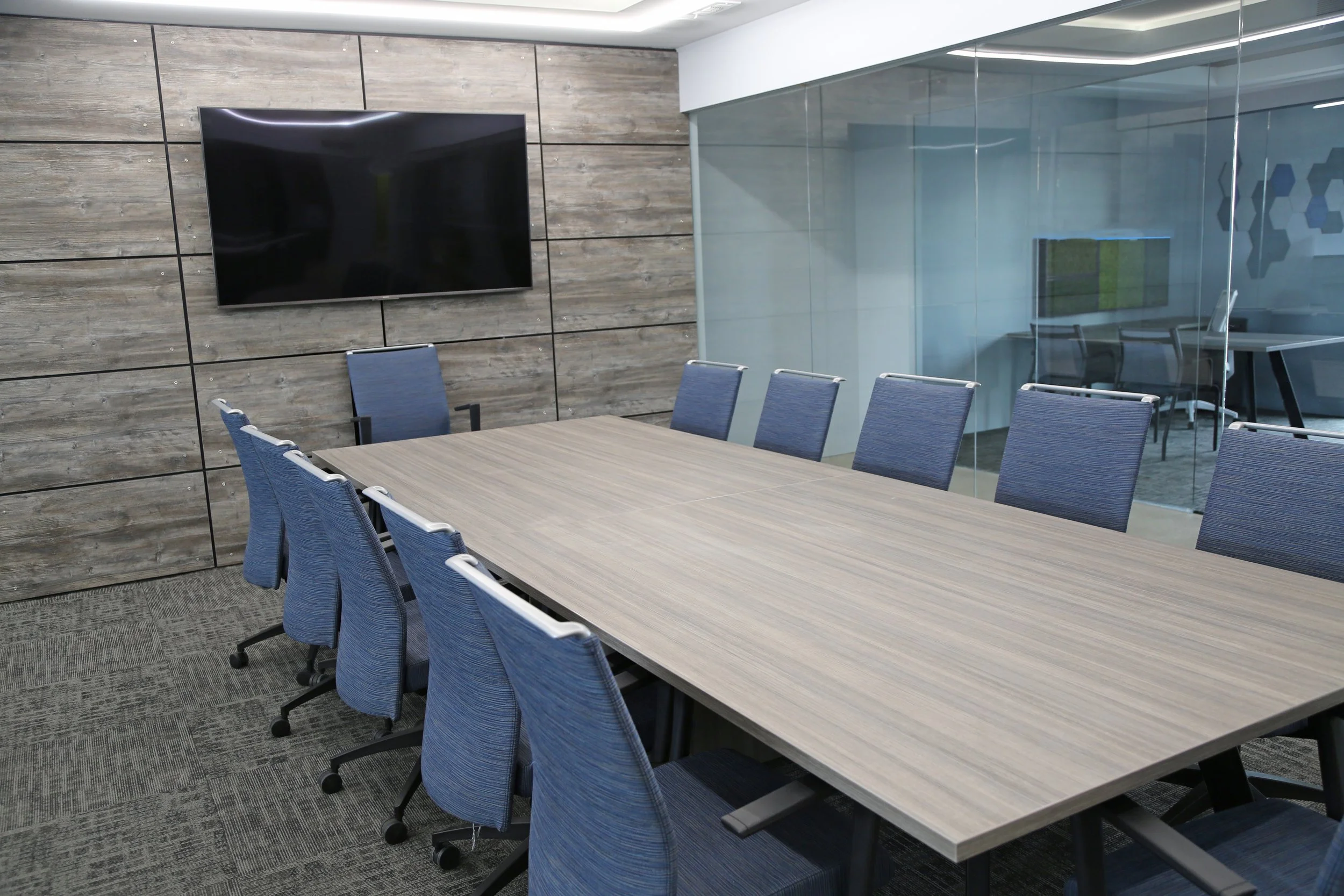
Conference Room
When employees have access to a variety of environments—spaces for focus, collaboration, and privacy—they can choose what best fits their task. That flexibility removes friction and allows work to happen more efficiently.
3. Eliminate Everyday Physical Friction
Not all productivity challenges are visible in workflows or processes. Some are built into the physical environment itself.
Uncomfortable seating, poor lighting, or inefficient desk setups may seem like minor issues. However, over the course of a workday, they create consistent low-level distractions.

L-Shape Desk in a Private Office
Employees adjust, shift, and compensate without always recognizing the impact—but it affects their ability to stay focused.
Addressing these small friction points through ergonomic furniture, improved layouts, and better lighting helps create a more supportive environment—one where employees can focus on their work instead of their surroundings.
4. Create Clarity Around Priorities
In fast-moving organizations, shifting priorities are inevitable. The challenge arises when those changes aren’t clearly communicated.
Employees may spend significant time working on a task, only to learn later that something else required immediate attention. This leads to rework, delays, and frustration.
When noise becomes a daily disruption, it’s a sign the environment isn’t supporting different work modes—focus, collaboration, and recharge. Addressing it early can dramatically improve how people experience the workplace.
Clear and consistent communication around priorities helps teams stay aligned. When employees understand what matters most in the moment, they can make better decisions and focus their time where it has the greatest impact.
5. Support Energy, Not Just Time
A full schedule does not always lead to productive outcomes.
Back-to-back meetings, limited breaks, and constant demands on attention can quickly drain energy. By the time employees have space to focus, their capacity to do meaningful work is already reduced.
Productivity is closely tied to energy levels. When energy is managed well—through balanced schedules, realistic workloads, and opportunities to reset—employees are able to maintain focus and perform more effectively throughout the day.
Creating a Workplace That Supports Productivity
When employees don’t feel productive, the issue is rarely effort. More often, it’s friction—small, everyday obstacles that make work harder than it needs to be. Interruptions, mismatched spaces, physical discomfort, unclear priorities, and low energy all play a role. Individually, they may seem minor. Together, they shape the entire work experience. Organizations that address these factors often see meaningful improvements—not just in productivity, but in engagement and overall performance.
For those beginning to evaluate how their workplace supports their team, a structured approach can make the process more effective.
Project Thrive is designed to help organizations assess their current environment, identify areas of friction, and implement practical strategies that support focus, efficiency, and employee experience.
