
The Value of Custom Office Furniture in the Modern Workplace
Walk through almost any office and you’ll find a space that technically works. The furniture is functional. The layout is familiar. Nothing is broken—but nothing feels intentional either.
For many organizations, the workplace hasn’t evolved at the same pace as the business. Leaders may want the space to better reflect their culture, brand, or the way teams collaborate today, yet the idea of “custom” often stops the conversation. It sounds expensive, disruptive, and hard to justify.

In reality, personalization isn’t about spending more—it’s about spending smarter. With the right approach, any office can feel tailored, professional, and aligned with how people actually work, regardless of budget.
This article explores how thoughtful design choices and custom office furniture can help organizations create stylish, functional workplaces—without overspending.
What Personalization Really Means in a Modern Workplace
Personalization rarely starts with aesthetics. It starts with business needs.
A growing company for example, realized their office no longer reflected the caliber of work they delivered. The furniture functioned, but layouts felt inherited rather than intentional. Brand standards existed digitally, yet the physical space told a different story.
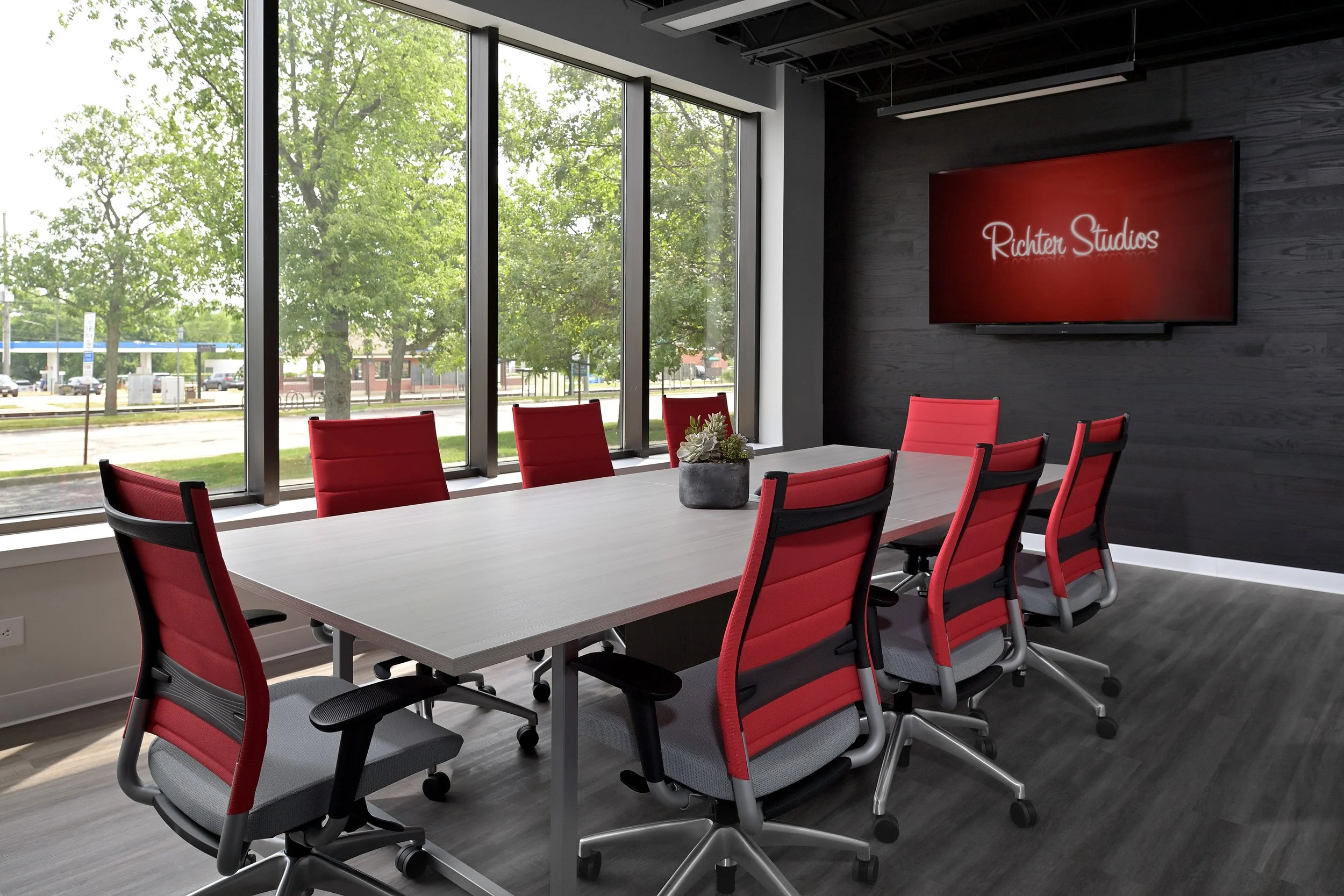
Personalization in this context means aligning the workplace with how the organization operates today—not five or ten years ago. It’s about designing spaces that:
Reinforce credibility with clients and employees
Support focus, collaboration, and productivity
Reflect the identity and culture of the organization
Not everything needs to be custom—but the right elements should be, ensuring maximum impact without unnecessary expenditure.
Why Custom Office Furniture is a Strategic Investment
Standard furniture is designed to work anywhere, which often means it doesn’t work particularly well anywhere. Over time, that shows up in inefficient layouts, wasted square footage, and spaces that feel disconnected from how teams actually operate.

Custom office furniture shifts that equation. It allows organizations to design around real constraints—floor plans, workflows, and brand standards—rather than default dimensions.
Customization doesn’t require redesigning everything. In many cases, pairing standard components with tailored finishes or dimensions delivers the biggest return, both visually and functionally.
Designing with Budget in Mind
A successful workplace refresh starts with one question: Where will design have the greatest impact?
Budget-friendly design doesn’t mean cutting corners—it means prioritizing. High-visibility areas such as reception spaces and conference rooms often offer the most immediate return. Repeating materials and colors creates cohesion without added cost. Flexible furniture extends the life of the investment as teams evolve.
When decisions are intentional, style becomes scalable and spending stays controlled.
Why Custom Office Furniture Is the Better Option
The way a space is designed determines how it functions for those who use it. When an office feels intentional, employees tend to engage with it differently. Collaboration feels more natural. Focus is easier to maintain. Pride in the workplace grows.
Style, in this sense, isn’t decoration—it’s a signal. It communicates that the space was designed thoughtfully, with people and performance in mind. That perception alone can have a meaningful impact on morale, productivity, and retention.

Personalization and Customization Can Start Small
When people hear custom office furniture, the first thought is often cost. But the real value of custom office furniture in the modern workplace isn’t about doing everything at once—or spending more than you need to. It’s about making intentional choices that support how people actually work.
Here are a few simple ways to pay customization and personalization:
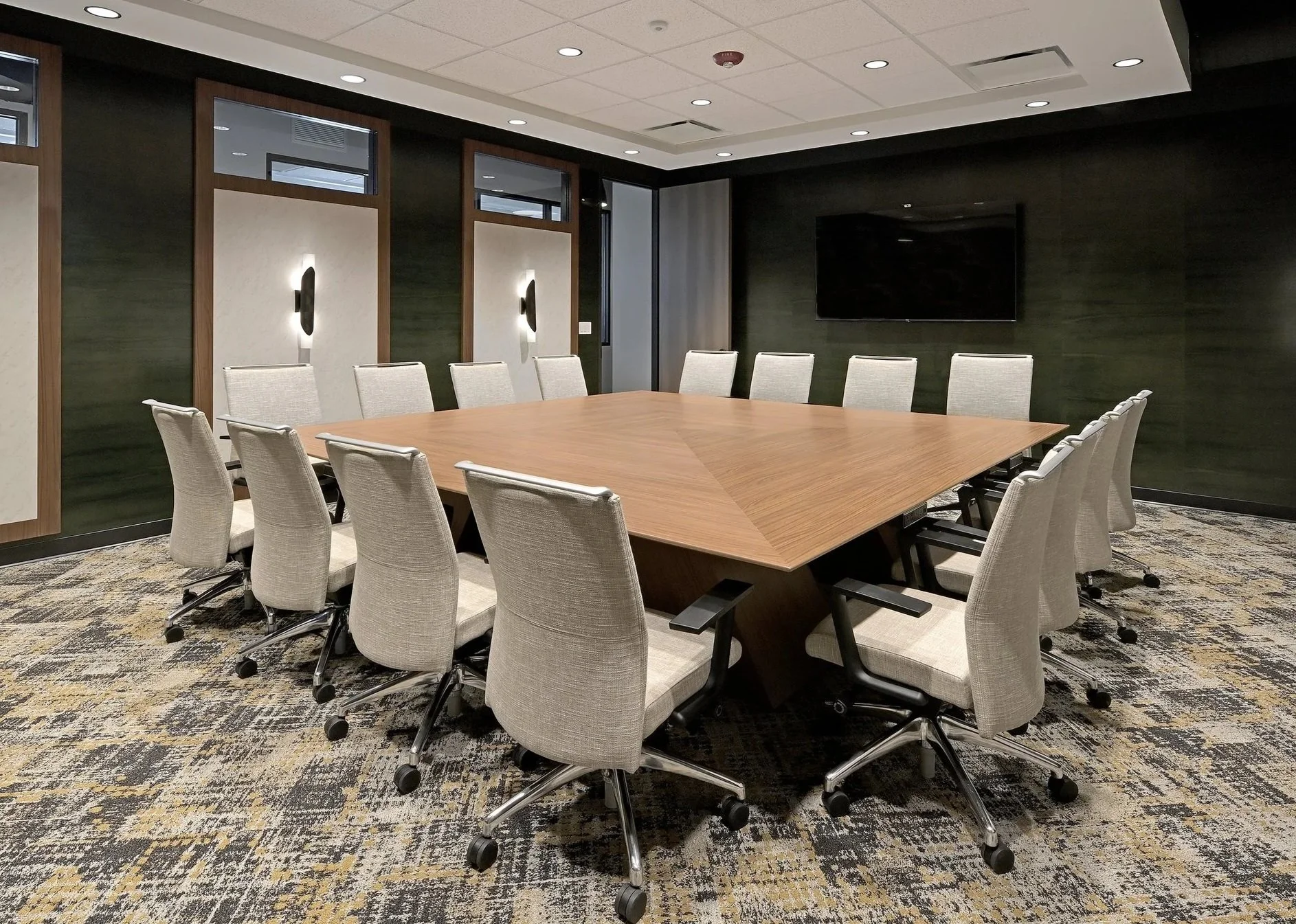
Custom tables set the tone for meetings, reinforce brand identity, and support better collaboration—helping teams and clients feel confident in the space.
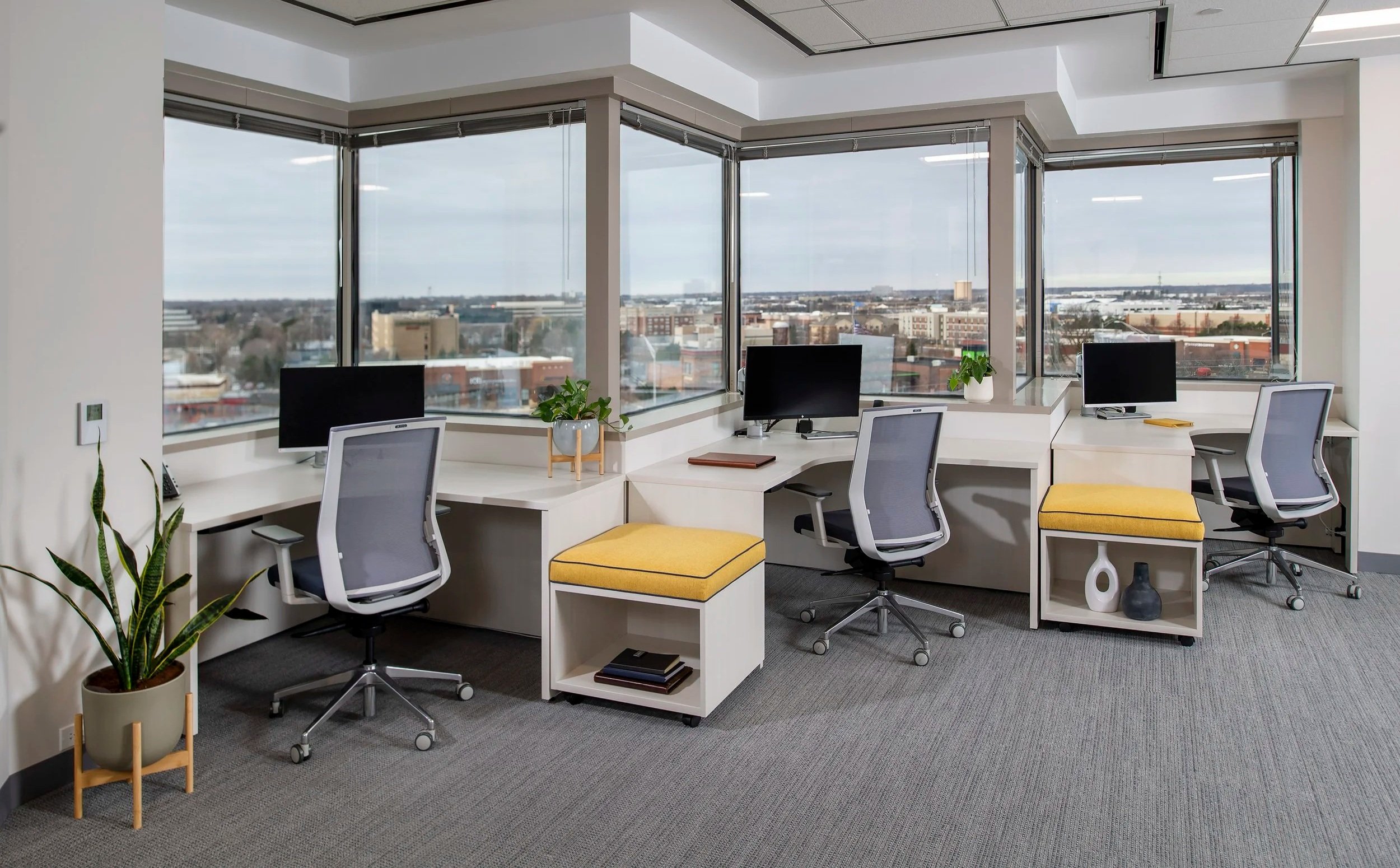
Adjustable, ergonomic workstations reduce physical strain and adapt to different work styles, keeping employees comfortable and productive throughout the day.
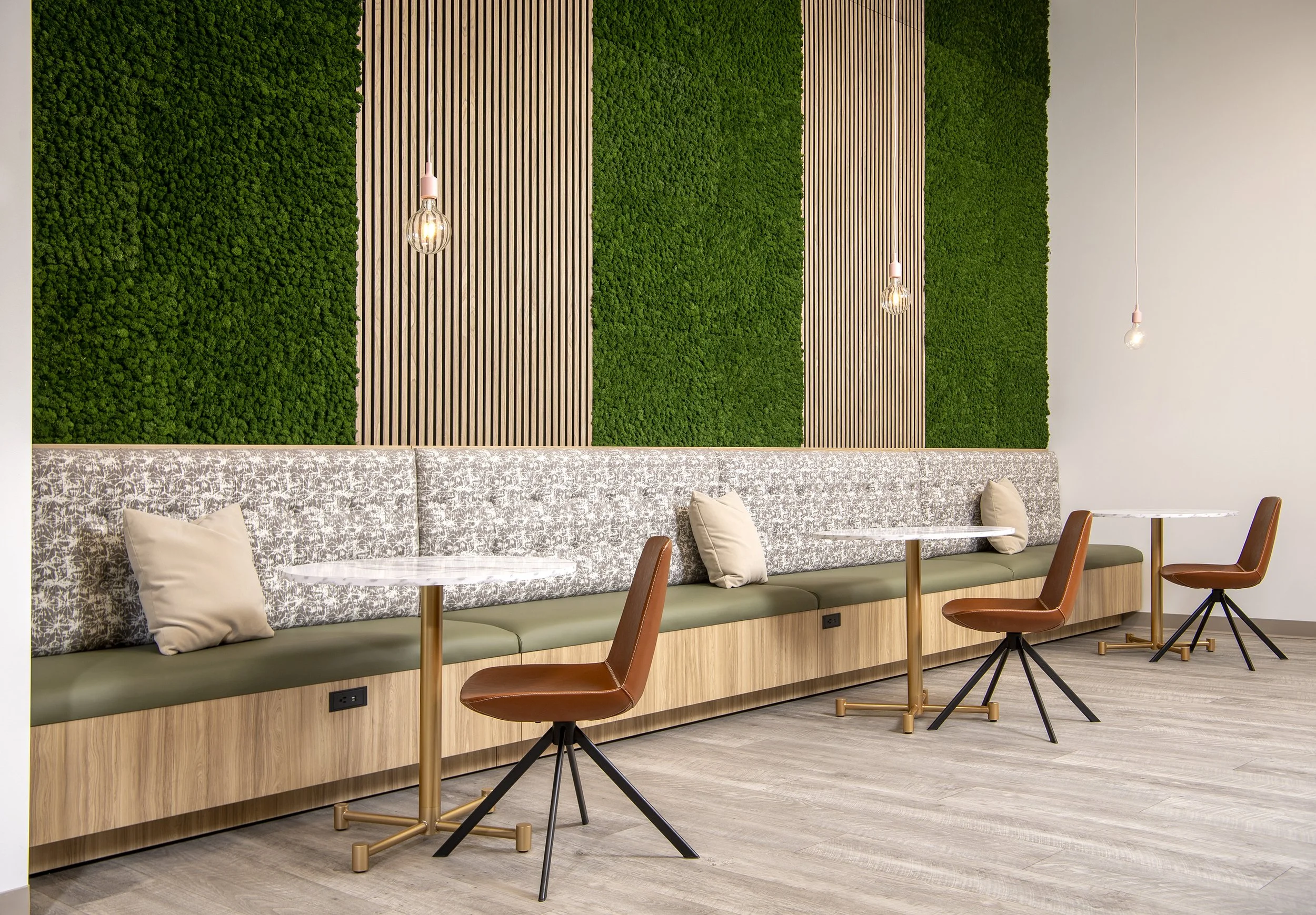
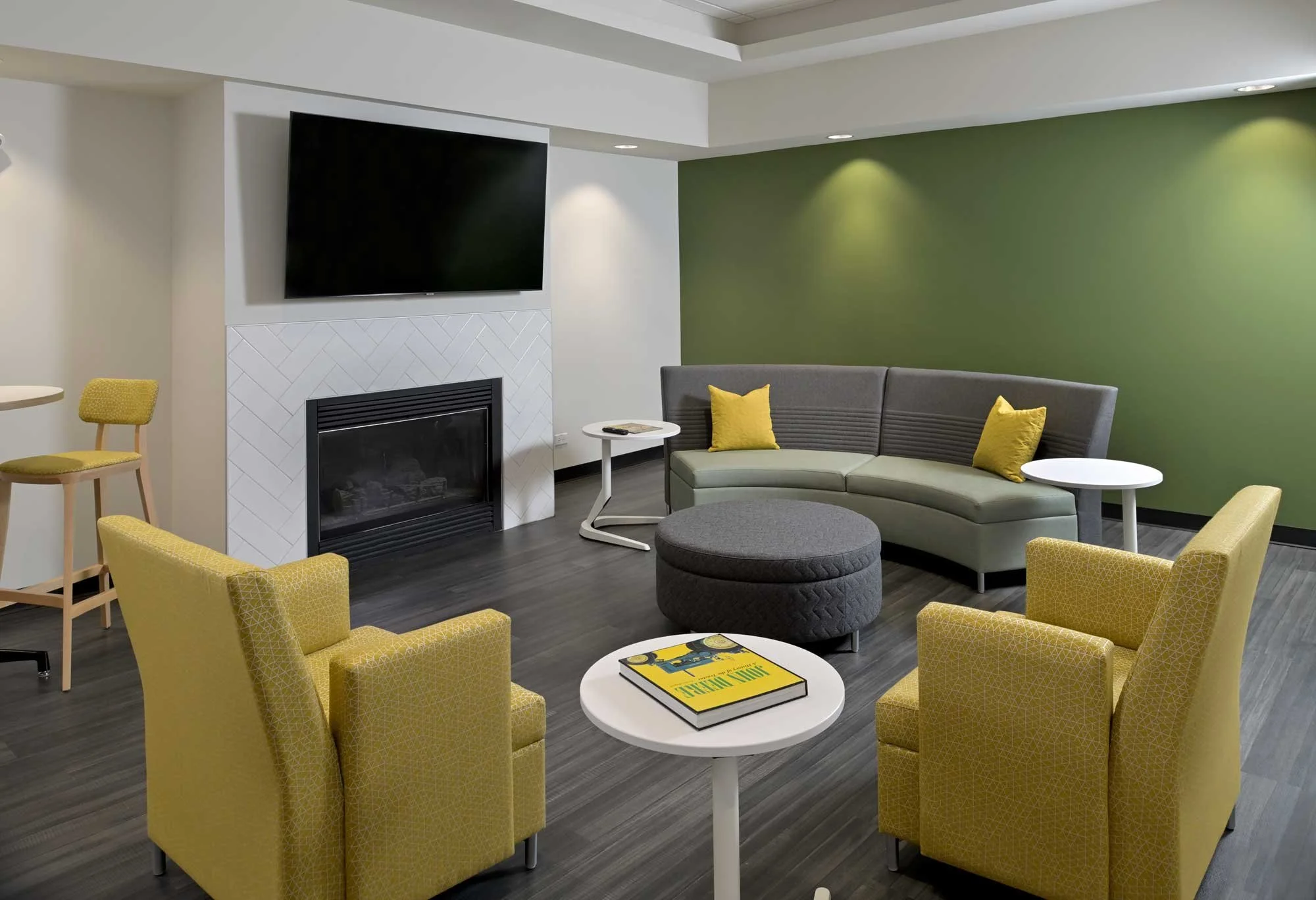
Custom Breakout Spaces
Quiet zones, collaboration hubs, or soft seating areas give employees space to think, connect, or recharge—supporting creativity, wellbeing, and sustained performance.
Each approach prioritizes long-term value, adaptability, and employee experience—helping workplaces move beyond aesthetics to create environments where both people and businesses thrive.
Custom furniture isn’t just about looks—it’s a strategic tool that supports workflow, collaboration, and employee wellbeing. Whether it’s targeted updates, balanced customization, or a full workplace transformation, thoughtful design can make your office feel intentional, functional, and built to last.
