
5 Signs Noisy Workplace Disrupt Productivity
It starts subtly. A phone rings across the room. Two coworkers chat nearby. A meeting kicks off just a few feet away from someone trying to concentrate. No single sound feels overwhelming—but together, they create a steady hum of distraction. At first, employees power through it. They reread a sentence. Restart a task. Put on headphones. But by the end of the day, they’re mentally drained—and not entirely sure why.

Workplace noise has a way of quietly chipping away at focus. When focus slips, productivity follows. For HR leaders and workplace decision-makers, that makes sound control more than a design detail. It becomes a performance strategy. When acoustics aren’t thoughtfully planned, noise affects concentration, stress levels, collaboration quality, and even long-term engagement.
Here are five signs your workplace noise may be working against your team—and what those signs are really telling you.
1. Focused Work Takes Longer Than It Should
Have you ever noticed employees rereading emails or double-checking work more than usual? Deep work requires uninterrupted attention. Research in cognitive science shows that when we’re interrupted, it can take several minutes to fully regain focus. In a noisy office, those interruptions happen constantly—even if they are small.

What should take 30 minutes slowly stretches into an hour. Deadlines feel tighter. Employees stay late not because they lack skill, but because their environment keeps pulling them out of concentration. If routine tasks are taking longer than expected, background noise may be the hidden culprit.
2. Employees Are Searching for Quiet Spaces
Watch where people go when they need to concentrate. Do they head to empty conference rooms? Sit in their cars for calls? Choose to work remotely whenever possible?

When employees create their own “quiet corners,” it’s often a sign that the workspace supports collaboration—but not focused work. Open environments can energize teams, but without intentional sound management, they can also create friction. Workarounds may solve the problem temporarily—but they rarely solve it efficiently.
3. Meetings Compete with Each Other
Picture two teams brainstorming in the same open area. Energy is high. Ideas are flowing. But so is noise. Soon, people are repeating themselves. Someone misses a key point. Another team nearby grows visibly distracted.

Collaboration should feel productive and engaging—not strained. When meetings regularly overlap and interfere with each other, the space may be lacking acoustic separation. Over time, this doesn’t just slow discussions—it affects decision-making quality.
4. Stress and Mental Fatigue are Rising
Noise isn’t just something we hear, it’s something our brains process constantly. When employees must filter out background conversations, ringing devices, or movement throughout the day, it increases cognitive load. That ongoing mental effort contributes to fatigue—even if workloads remain the same.

By mid-afternoon, focus feels harder. By the end of the week, employees feel more drained than their tasks alone would justify. Persistent noise can quietly contribute to burnout, lower morale, and higher absenteeism, if left unaddressed.
5. Engagement and Satisfaction Begin to Slip
Sometimes the signs aren’t obvious at first. Engagement survey comments mention “difficulty concentrating.” Employees request more remote flexibility. High performers seem less energized than before.

When the environment consistently works against focus, employees may begin associating frustration with the workplace itself. This can influence retention and culture. Noise may not be the only factor—but it’s often an overlooked one.
Create a Workplace Where Sound Works with You—Not Against You
The goal isn’t silence. Offices are meant to be active, collaborative spaces. But sound should be intentional, balanced and designed to support how people actually work. That’s where acoustic planning makes a difference.
Rieke Interiors’ acoustic solutions are designed to reduce distractions while maintaining a professional, collaborative atmosphere. From custom acoustic wall panels and sound-absorbing partitions to custom furniture solutions, we help organizations create environments where meetings stay contained and focused work feels possible.
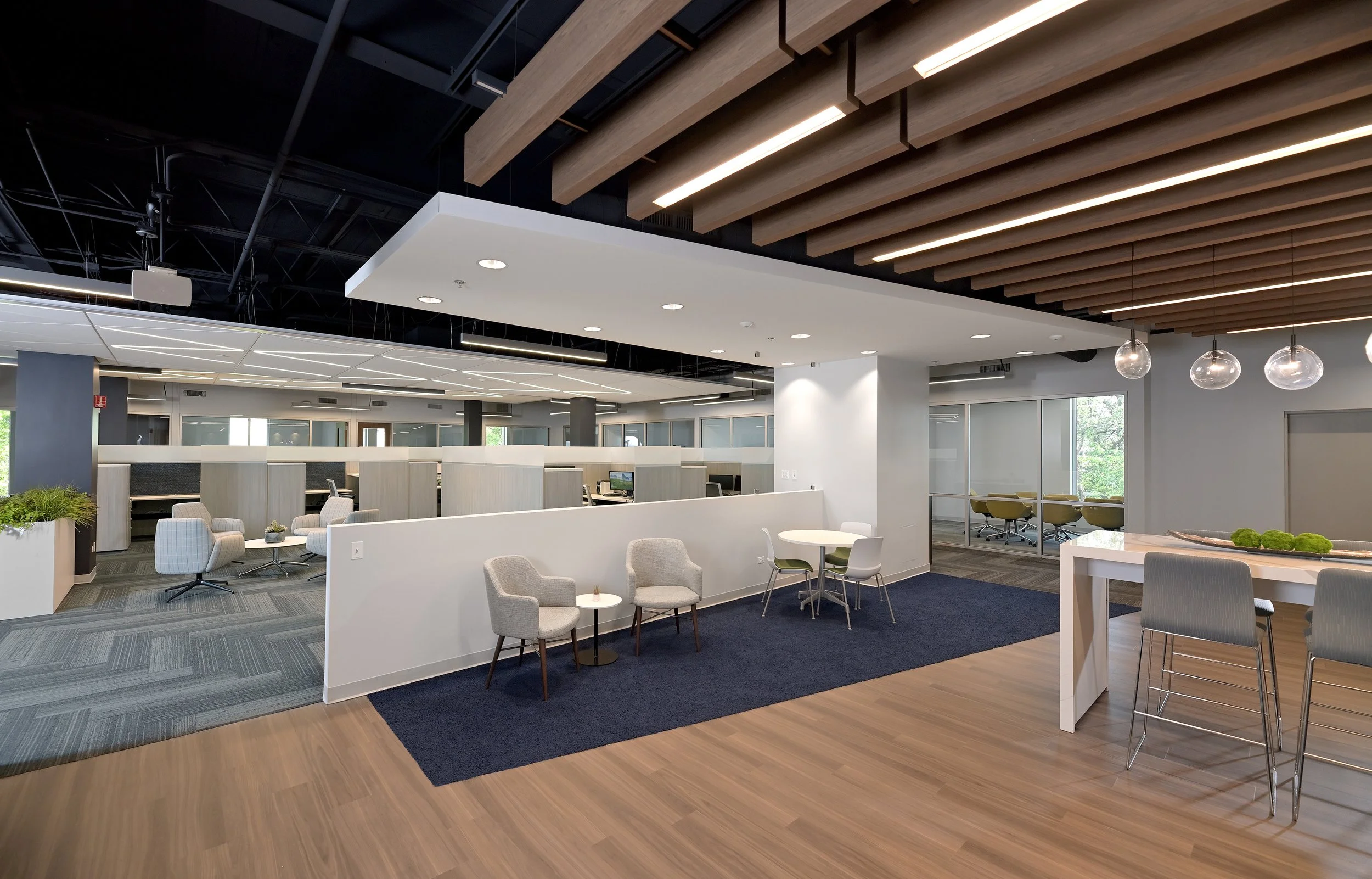
When acoustics are thoughtfully integrated into the design, something shifts. Employees regain concentration, collaboration improves, and stress decreases. The space begins supporting productivity instead of competing with it.
If your team is showing signs that noise may be affecting performance, it may be time to rethink how sound functions in your workplace.
Ready to create a quieter, more productive workplace?
Explore Rieke Interiors’ Acoustic Solutions and discover how thoughtful design can create a quieter, more productive office environment.
