
Summer-Proof Your Office with Flexible Custom Furniture Solutions
Summer doesn’t just change the weather—it changes how the workplace is experienced.
Natural light shifts throughout the day. Temperatures rise. People move differently through the office, taking advantage of flexible schedules, informal conversations, and shared spaces.
In that shift, things become easier to notice—tight work areas, underused spaces, and layouts that don’t fully support how teams are working.
It’s not that the office stops working. It’s that seasonal changes make existing friction more visible. And often, that friction comes down to one key factor: custom furniture solutions that don’t adapt to how space is used.
1. Seasonal Shifts Reveal Everyday Opportunity
Every workplace has small inefficiencies—limited desk space, screen glare at certain times of day, or collaboration areas that don’t get used as intended.
Most of the year, these issues are easy to overlook. But summer changes how space functions. Longer daylight highlights layout issues, warmer temperatures affect comfort, and changing attendance patterns alter how often spaces are used.
Individually, these aren’t major issues—but together, they show where the workspace isn’t fully supporting daily work.

Bright open office with natural light and active workspace use
2. Workspaces Need to Support Change, Not Resist It
Work doesn’t follow one fixed pattern. Some days require focus. Others require collaboration. In summer, those shifts often happen more frequently. Fixed furniture makes those transitions harder than they need to be.
Flexible solutions—like modular tables, mobile workstations, and reconfigurable layouts—allow spaces to shift with the work happening inside them. Instead of forcing people to adjust to the room, the room adapts to them.

Modern private office with custom storage in use
3. Comfort Becomes More Noticeable in Warm Conditions
Comfort is easy to overlook until it isn’t there. In warmer months, materials, seating, and airflow all play a bigger role in how space feels throughout the day. Discomfort may not always be obvious—but it shows up in employee productivity, energy, and how long people can stay focused in one place.
Intentional furniture choices—ergonomic seating, breathable materials, and layouts that allow movement—help reduce those small but constant points of friction.
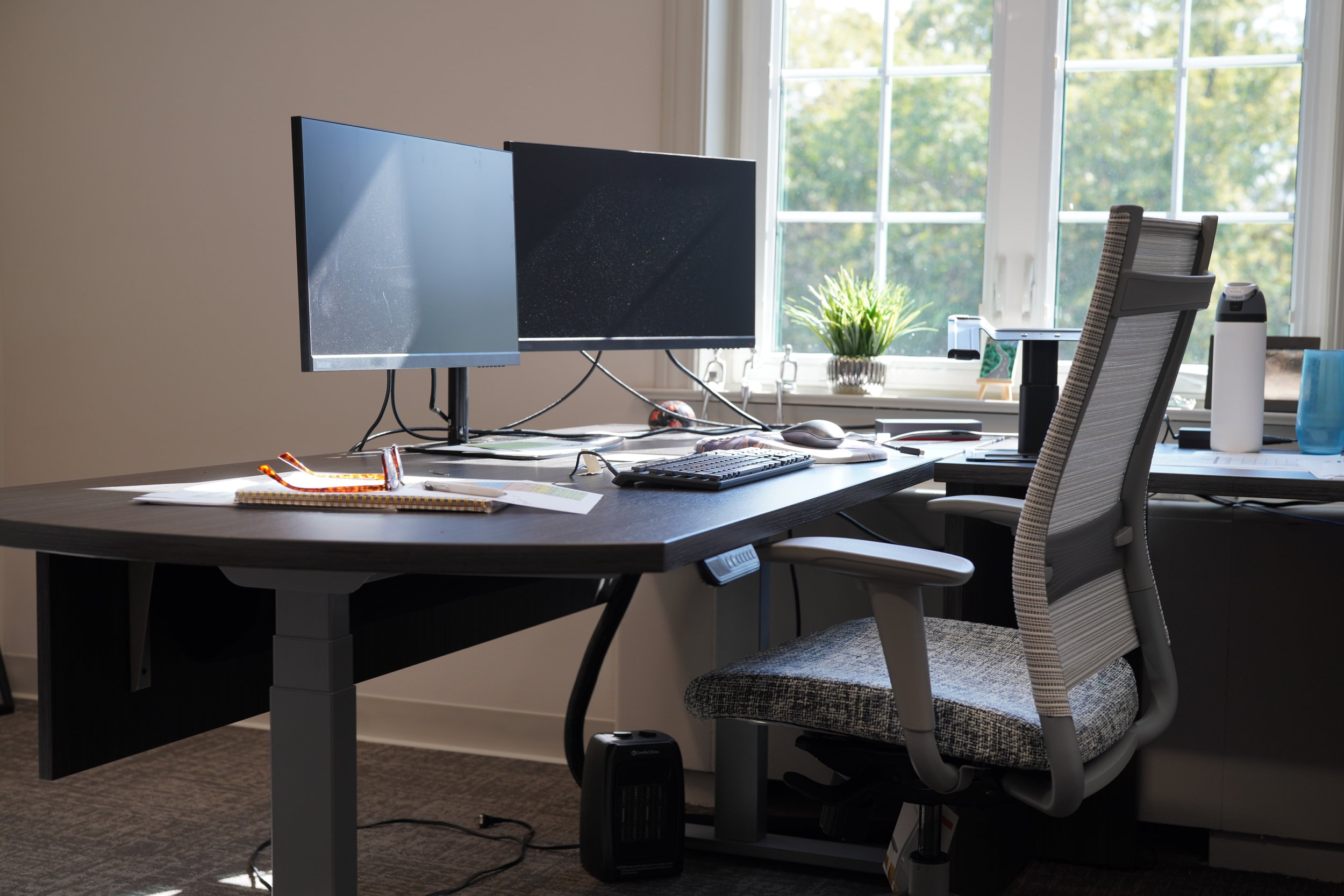
Ergonomic private office with adjustable sit-stand workstation
4. Shared Spaces Get Used Differently in Summer
Break areas and collaboration spaces often shift in how they’re used during summer.
People step away from their desks more often, looking for informal meeting spots, or gather in different parts of the office throughout the day.
When those spaces aren’t designed for flexible use, they either sit underutilized or become overcrowded in ways they weren’t intended for.
Furniture plays a key role here. When it supports different types of use, shared spaces become more functional—and more naturally used.
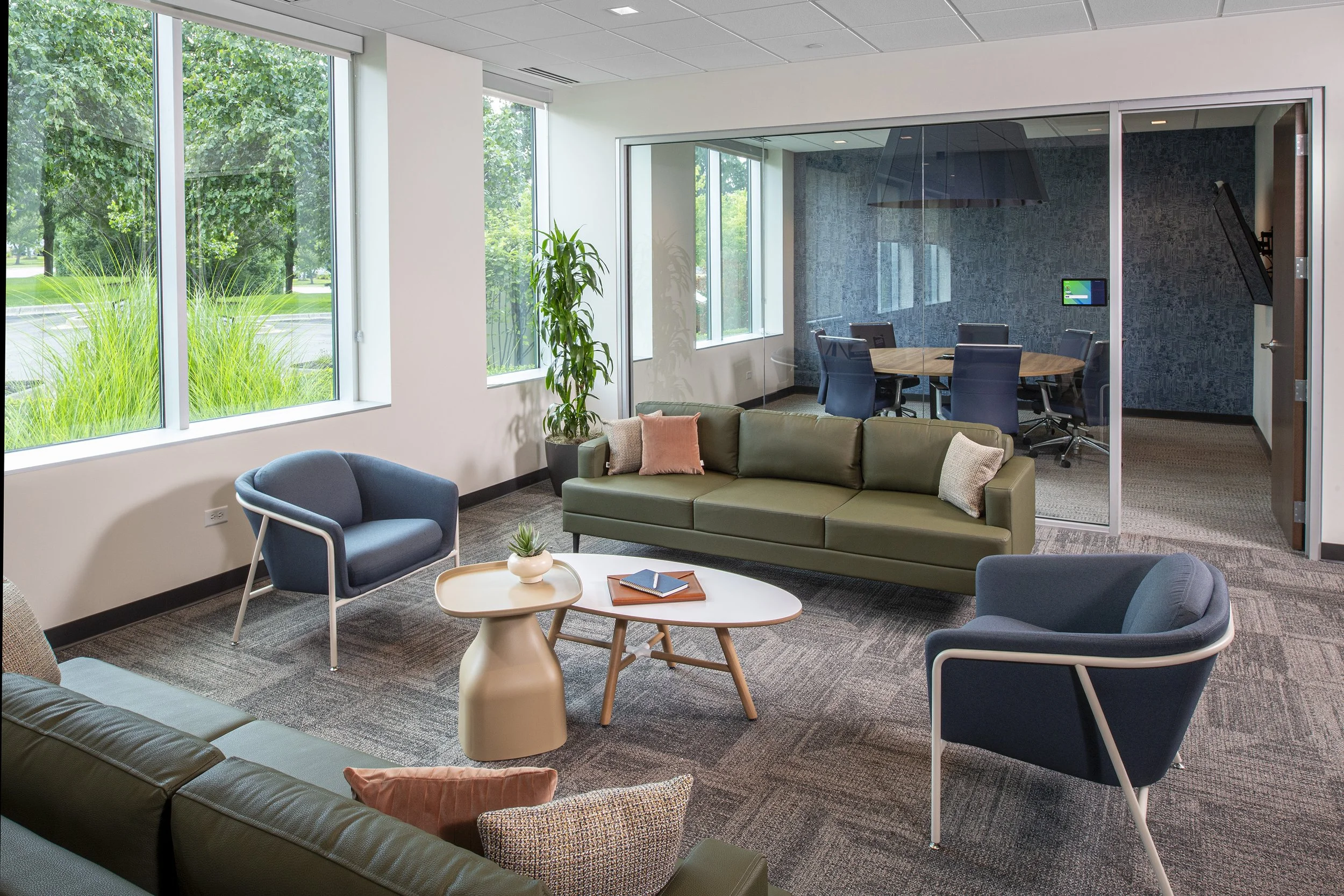
Lounge area with decorative plants and large windows
5. Flexibility Isn’t Seasonal— It’s Long-Term
While summer makes these challenges more visible, they aren’t seasonal issues.
The need for adaptable, comfortable, and efficient spaces exists year-round. Summer simply makes them easier to spot.
That’s why flexibility matters. Custom furniture solutions allow workplaces to evolve as needs change—without constant redesigns or reactive fixes.
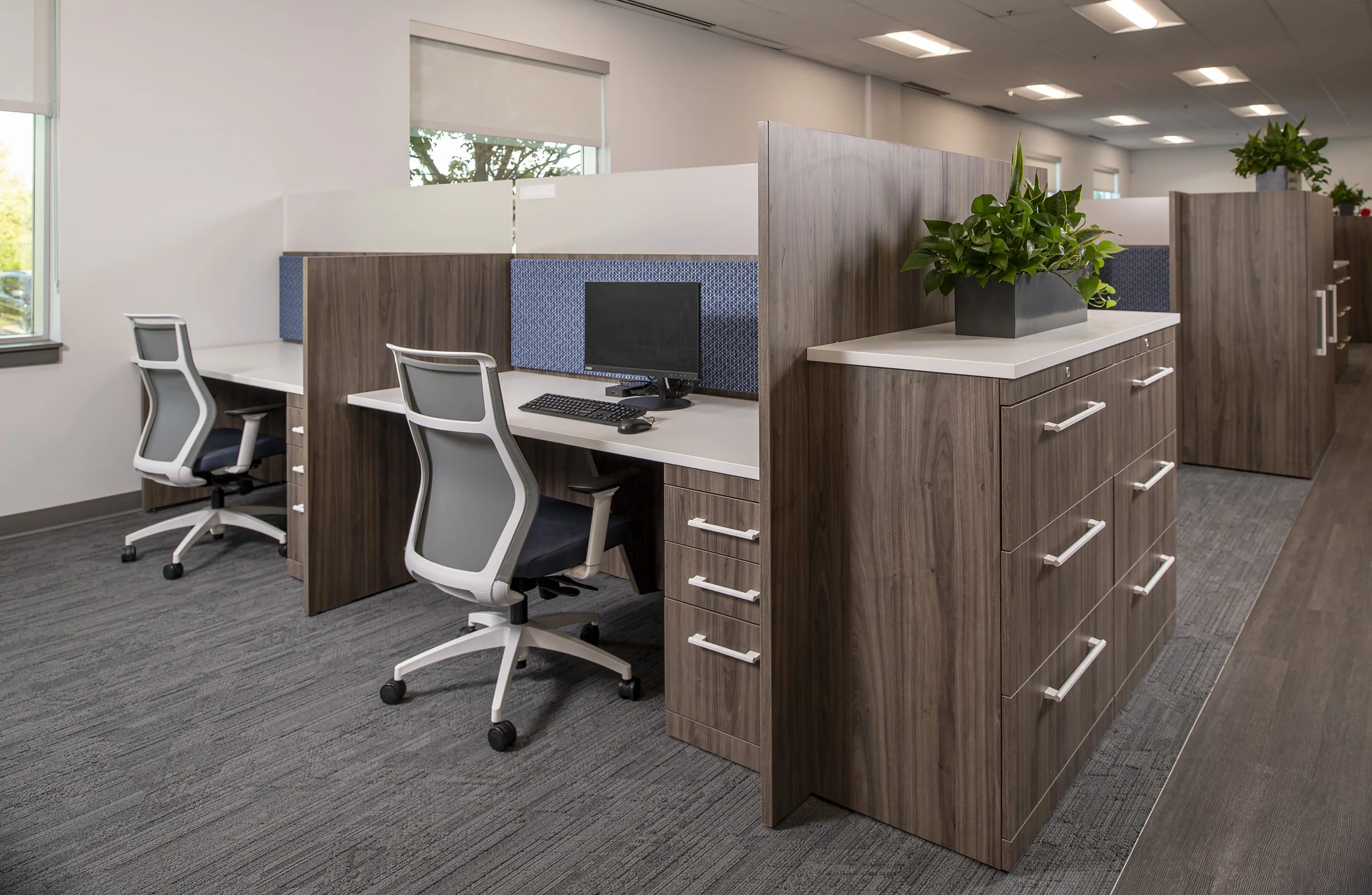
Workstations with plants and natural light
Create a Workplace That Works No Matter the Season
Summer doesn’t create new problems—it reveals existing ones. Small friction points become more visible. Underused spaces stand out. And the gap between how a space is designed and how it’s used becomes clearer. Addressing that gap doesn’t always require a full redesign—but it does require furniture and layouts that can adapt to real working behavior.
Through custom furniture solutions, organizations can better support their teams today while staying ready for how work continues to evolve.
If your workplace is starting to show these patterns, it may be worth rethinking how your office layout strategy supports day-to-day work.
Explore how flexible custom furniture solutions can help your space adapt to the way your teams work—season after season.
