
6 Reasons Why Uncomfortable Employees are Unproductive
In today’s office workplace, comfort is more than a nice-to-have.
Research shows that discomfort has a measurable impact on performance. Physical discomfort alone can reduce productivity by 20–30%, while excessive noise can cut performance on concentration-heavy tasks by up to 66%. When employees are distracted by pain, poor ergonomics, or constant interruptions, their mental energy is spent coping—rather than thinking critically, solving problems, or collaborating effectively.

That’s why productivity issues aren’t always the result of heavy workloads or tight deadlines. Often, employees are missing something more fundamental: physical comfort and spaces that support focus instead of noisy, interruptive environments.
When employees feel uncomfortable—physically or mentally—it inevitably shows up in their work. This article explores the connection between comfort and productivity, and how thoughtfully designed spaces help people work healthier, happier, and more effectively—without overcomplicating office design.
What Does “Comfort” Really Mean at Work?
Comfort in the workplace isn’t just about having a nice chair. It’s a balance between physical comfort and the ability to truly focus.
Physical comfort includes ergonomics, posture, lighting, temperature, and the freedom to move throughout the day. Mental comfort includes focus, emotional safety, confidence, and the ability to step away when needed. When either is missing, productivity suffers.
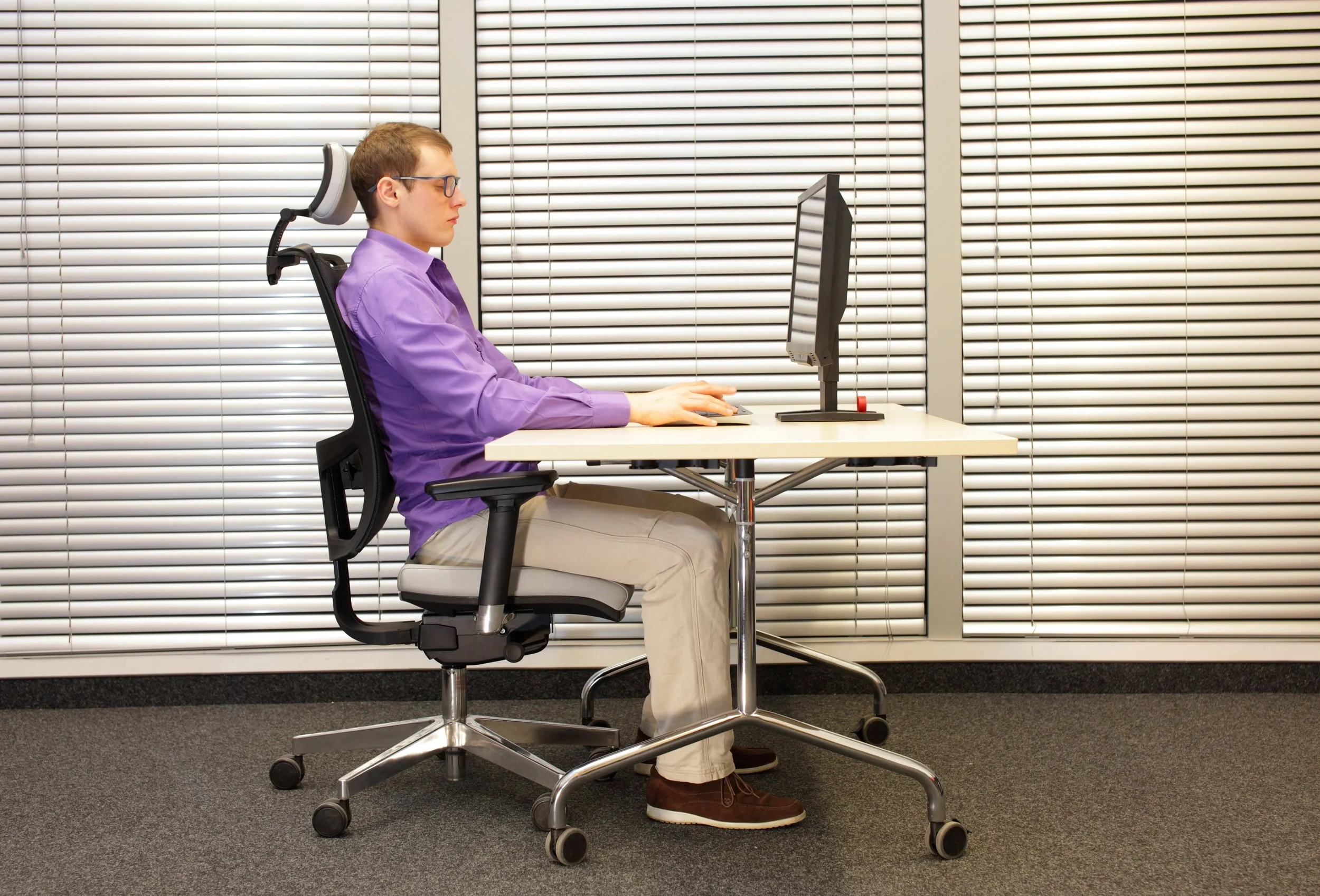
Here are 6 reasons discomfort quietly destroys performance:
1. Physical pain steals focus
A stiff neck, sore back, or awkward posture pulls attention away from work. When the body is uncomfortable, the brain works harder just to cope.
2. Poor ergonomics cause fatigue
Employees who strain to see screens or sit improperly burn energy faster. Fatigue leads to mistakes, slower decision-making, and disengagement.

3. Noise increases stress levels
Constant background noise elevates stress and makes it harder to concentrate—especially for tasks that require deep thinking or problem-solving.
4. Lack of movement reduces creativity
Staying in one spot all day limits circulation and mental stimulation. Movement often sparks creativity and clearer thinking.
5. Temperature and lighting affect energy
Too cold, too warm, too dim, or too bright—these subtle factors can drain energy and motivation without anyone realizing why.
6. Emotional comfort impacts confidence
Employees need spaces where they feel comfortable having conversations, thinking out loud, or simply taking a moment to reset. Without that, collaboration and innovation stall.
Comfort Is a Core Part of Thriving at Work

Comfortable employees think more clearly, collaborate more effectively, and feel more motivated to contribute. Comfort isn’t an added perk—it’s one of the most powerful productivity tools a workplace can invest in.
At Rieke Interiors, comfort is a core element of workplace wellbeing and a key part of Project Thrive—a mission centered on helping people work healthier, happier, and more productively.
When employees thrive, businesses benefit through stronger performance, higher retention, and better overall results.
Rethink How Comfort Shows Up in Your Workplace
If discomfort is quietly pulling focus, energy, and creativity from your team, it may be time to look at how your workplace supports the way people actually work. From ergonomic seating to quiet breakout areas, comfort-driven design can remove daily friction and help employees do their best work.
